

Photonic Color

Learn More – Click Here


Overview

Opalux technology builds on the pioneering research of Prof. Geoffrey Ozin and Dr. André Arsenault at the University of Toronto. Opalux technologies have been featured in the world-renowned scientific journals Nature Materials and Nature Photonics. Ozin and Arsenault are also co-authors of the textbook Nanochemistry: A Chemical Approach to Nanomaterials, which Science magazine calls “a book that is unlike any other…a gem in the scientific literature.”

Photonic crystals are actually an ancient phenomenon. For example, photonic crystals give opals their iridescent appearance. “There are many organisms that have coloration that doesn’t come from a dye,” says Arsenault. “This is the basis of our technology.”

By harnessing the unique characteristics of photonic crystals, Opalux has invented a new photonic color technology that outperforms in terms of:

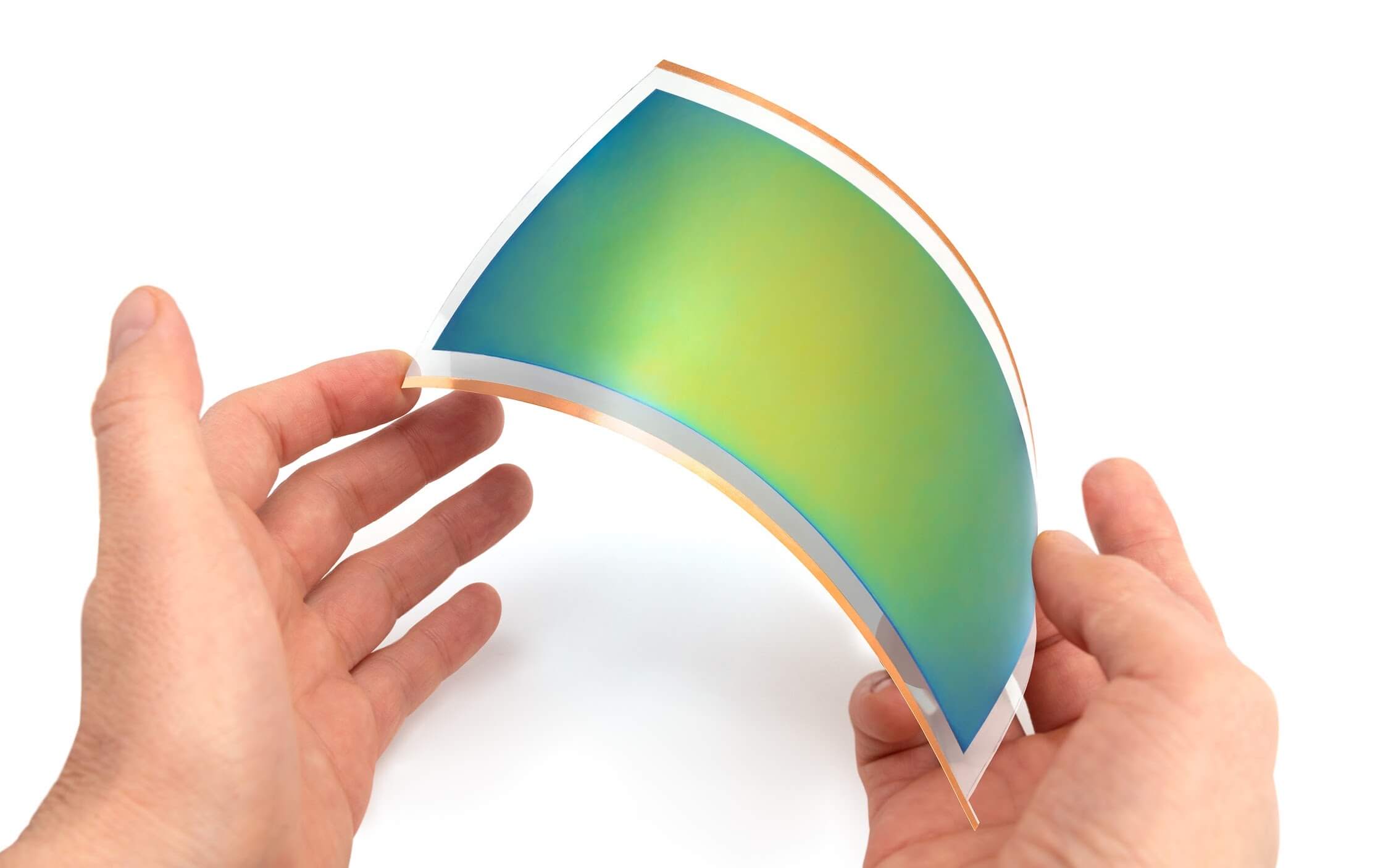
Brightness: Opalux’s Photonic Crystal devices are highly reflective and color selectable throughout the visible range. The devices’ reflective nature make them adaptable (like paper) to whatever ambient illumination is available, including bright sunlight. Photonic Crystal materials can also be highly reflective of wavelengths beyond the visible range including ultra violet and infrared, providing not only UV protection, but also the rejection of heat (IR radiation) on demand.

Resolution: The resolution of Opalux Photonic Color can be easily and readily changed to meet different needs and functions. Large “pixels” can color or personalize personal devices such as phones and cars, to changing the color of walls to convey function or occupancy. When pixilated at appropriate size and density, they can form the pages of colorful electronic books, or display like active billboards, which can be programmed to present changing messages.

Flexibility: Opalux’s Photonic Crystal materials are made using cost-effective, flexible processes, allowing them to be integrated almost anywhere in a customer’s product. The materials themselves are highly mechanically flexible, allowing them to be bent, flexed, rolled. This valuable attribute reduces weight, eases transportation and installation, and allows a conformable fit to objects of all shapes and sizes.

Stability / Durability: Opalux’s Photonic Color arises from a 3-dimensional structure, and is therefore impervious to photo- or thermal bleaching effects which plague dyes and pigments. The Photonic Crystal structures themselves are amazingly resilient and flexible, continuing to perform even if a part of the device has been damaged.

Economy: The raw materials for photonic crystals are abundantly available at low cost. While sophisticated, its manufacturing process is completely scalable, producing highly reliable and consistent materials at extremely competitive prices.

Sustainability: Photonic Crystal materials are manufactured from low cost, abundant and benign materials, chief among them being sand and rubber. Photonic Color can be customized to reflect heat on demand, to either contain heat, or to keep heat out, on demand to save energy. In display applications, power is only required to switch the image but not to maintain it, and being reflective there is no need for power-hungry backlights.