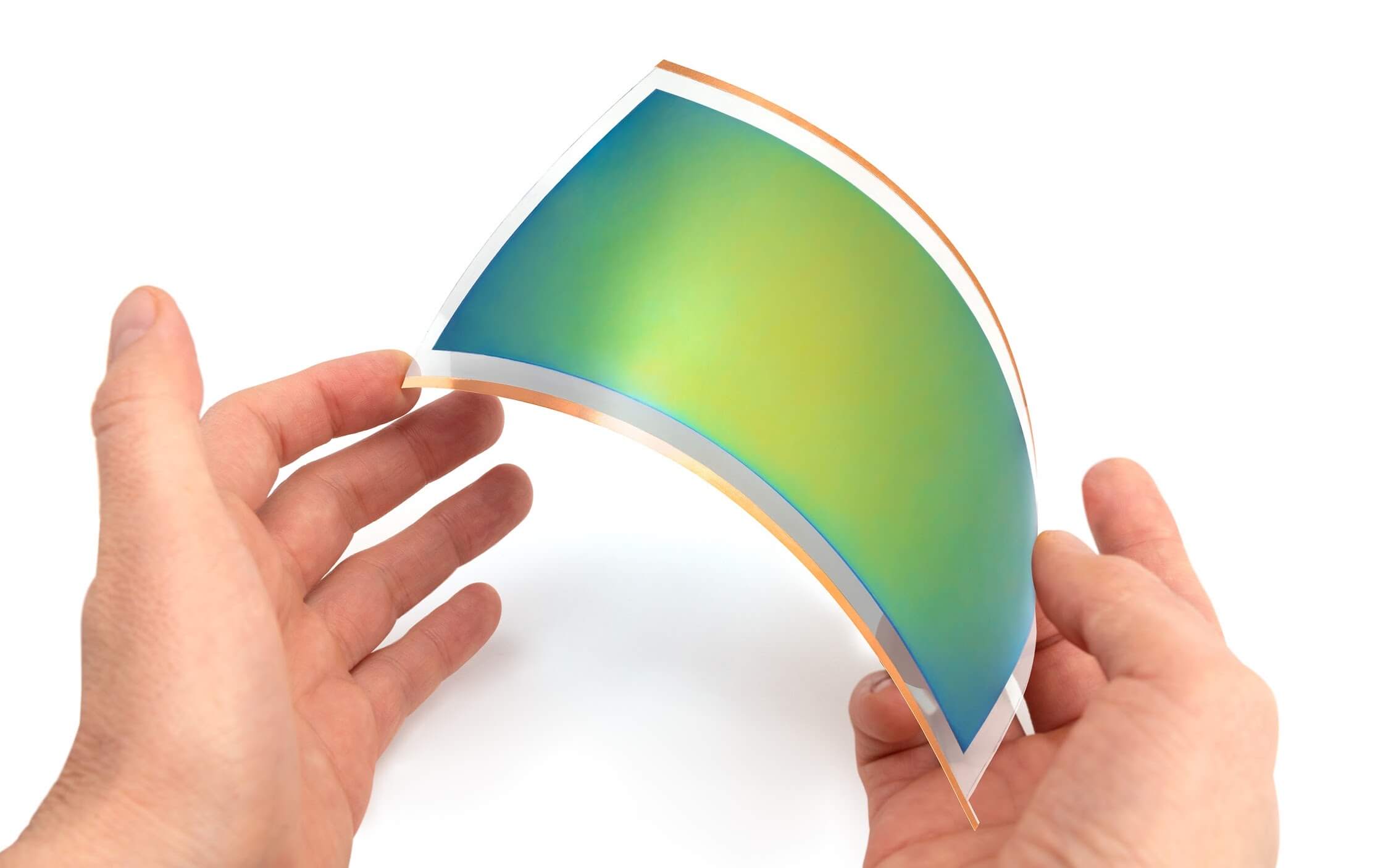


Photonic Nose Chemical Sensors

The extraordinary sensitivity of the human nose works by using a large array of highly specialized olfactory neurons, each responsive to a slightly different stimulus. By working in combination with each other, an incredibly vast array of chemicals (odors) can be detected and identified quickly, reliably and inexpensively.

Inspired by the human nose, Opalux’s Photonic‐Nose (P-Nose) technology uses a similar approach of combining a large number of responses coming from specially designed photonic crystal sensing units. These sensing units, in conjunction with a digital camera and image analysis software, form the basis of the P-nose technology platform.

Exposure to liquid or gas phase analytes results in color changes in the sensing material, which are then captured by the digital camera and remotely interpreted by computerized software wirelessly or over the internet. Identification of analytes, even from complex mixtures, can be completed in minutes.

Opalux’s P‐Nose offers a combination of attractive features:

Versatility: Opalux photonic crystal arrays can be readily customized to serve specific application needs. Analytes can be sensed in the gas or liquid phase, whether pure or in mixtures, from low to high concentrations.
Functionality, sensitivity and selectivity can all be custom designed to suit specific application needs.
Simplicity: Unlike traditional artificial nose platforms, Opalux’s P-Nose does not require bulky or complex hardware for analysis. Only lightweight and compact thin-film arrays of modest size, supported by consumer-grade digital cameras are required. This approach minimizes costs and facilitates distributed testing in scale and frequency for optimal speed and accuracy, while minimizing training and logistical requirements.
Timely: By uploading color photos of exposed P-Nose materials, either via wireless phone connection or through the internet, a rapid turnaround of test results is possible. This enables instant verification and decision making, and reduces the need for inconvenient and costly re-testing in the future.
Economy: Aside from competitive prices which reflect volume and functionalities involved, the elimination of field hardware and rapid turnaround of test results deliver exceptional savings, especially in a geographically distributed sampling environment.

Potential applications of P-Nose are numerous and include:

• Food and beverage quality control: Foodstuff in different states of spoilage produce characteristic chemicals that can be “smelled” by an artificial nose. The P-nose can provide visual indications to the consumers whether a food product is safe for consumption.
• Environmental and drug monitoring: The artificial nose can provide a fast and visual approach for on-site detection of alcohol or illicit drugs, contaminants such as heavy metals including lead and mercury, as well as volatile organic compounds (VOC’s) in the environment.
● Biological assays: Early and affordable detection of the presence of various bacterial species and bioactives. P-Nose can also be deployed in various point-of-care scenarios where biological fluids (i.e. blood, urine, etc.) and gases (e.g. exhaled breath) need to be rapidly screened for the presence of specific targets.
• Public safety and security: The detection of explosives and their constituent compounds and other toxic or dangerous chemicals.

To learn more about P-nose technology, see: L. D. Bonifacio, et. al., Adv. Mater. Vol. 22, March 26 2010.